-
 Schools in the U.S. serve almost 30 million lunches every day. But rising food costs, regulations and cuts to food assistance mean school kitchens have to do more with less.
 -
 Democratic nominee for governor Jocelyn Benson is backing state incentives to attract biofuel production facilities to Michigan that she says would expand the state's agricultural economy.
 -
 Conflicts in Iran and Russia are causing diesel prices to spike globally. That’s especially hurting U.S. farmers as they head into harvest season, the most fuel intensive period of the agricultural year.
 -
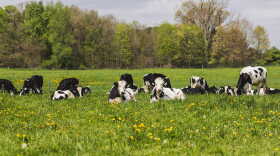 State data shows that bovine tuberculosis cases have been typically found in Iosco County.
 -
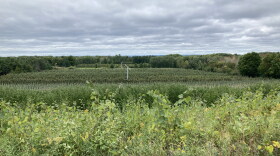 Rainfall has become less reliable in recent years and many farmers have started to rely on irrigation to water their crops.
 -
 The Natural Resources Conservation Service lost nearly a quarter of its staff nationwide in 2025 after the Trump administration’s cuts to the federal government. Many were local experts that help farmers with soil and water conservation efforts.
 -
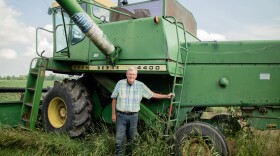 More farmers are opting to repair old tractors, combines and other machinery instead of buying new upgrades. A tough farm economy and historically-high equipment prices are at least partly to blame.
 -
 Passing on the family farm to the next generation is typically an involved process, both financially and emotionally. A turbulent agricultural economy the past few years has made that transition even more difficult.
 -
 Food safety experts say contaminated water in farm fields is a likely culprit. But questions still remain about the current outbreak.
 -
 Farmers spend thousands of dollars per-year on crop insurance — it's a necessary expense to help farmers in case of a negative crop yield. Officials say factoring in soil health could be the key for the next generation of crop insurance.

© 2026 Central Michigan University
Connecting Michigan... one story at a time.
Play Live Radio
Next Up:
0:00
0:00
Available On Air Stations


