-
 Warmer-than-normal-temperatures in the Pacific Ocean are driving what could be the strongest El Niño on record. Here’s how that’s likely to impact weather across the central U.S this year.
 -
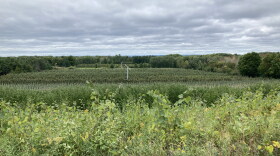 Rainfall has become less reliable in recent years and many farmers have started to rely on irrigation to water their crops.
 -
 Grape growers are planting hybrid grapes that can withstand colder temperatures, irrigating their vines rather than relying on natural rainfall and turning to new strategies to ensure healthy soil.
 -
 Severe weather is happening more frequently as the climate changes, adding to an ever-growing list of challenges for U.S. farmers. From sudden temperature swings to floods, these events can have serious consequences for farms and ranches.
 -
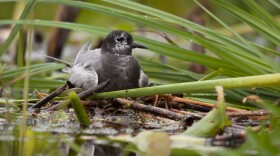 A recent report shows bird populations are continuing to decline, and one third of birds need immediate conservation action.
 -
 Those affected by the ice storm last year spoke about their experiences during the days and weeks after the devastation at an event organized by climate advocacy groups.
 -
 Holtec Internation had been saying it planned to resume generating power by the end of 2025. That timeline has now shifted to the start of the new year.
 -
 Fish in Michigan's inland lakes are shrinking because of climate change, according to a new study from the University of Michigan.
 -
 Cooler temperatures this week are giving Michiganders a break from air conditioning and a chance to pull out their fall sweatshirts. For birds, it’s migration time — with more than 3.6 million birds moving across the state last night.
 -
 Smoke from Canadian wildfires is expected to impact Michigan's summer air quality going forward, according to climatologist.

© 2026 Central Michigan University
Connecting Michigan... one story at a time.
Play Live Radio
Next Up:
0:00
0:00
Available On Air Stations


