-
 The sea lamprey population decreased by 25% in the Great Lakes this year, according to the Great Lakes Fishery Commission.
-
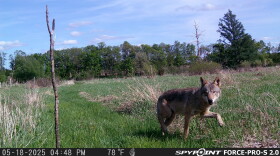 As farmers face financial uncertainty, the Trump administration has moved to end protections on gray wolves that sometimes prey on livestock. But experts question if it’s the right move for the species.
-
 Researchers at Lake Superior State University concluded that many of the 6,000 incidents do not have detailed reports on how much oil was spilled.
-
 Rising temperatures are increasing risks to Michigan’s migratory birds, a Michigan Audubon scientist says. Among the affected species are American robins, sandhill cranes and bluebirds.
-
 After attempts to reach a settlement failed this month, Attorney General Dana Nessel says the sale of 13 aging hydroelectric dams could be "very, very dangerous" for Michiganders.
-
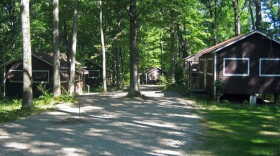 Camp Newaygo is reopening the Wetland Trail to the public as well as a new environmental center this Thursday.
-
 The amount of ice on the Great Lakes has declined rapidly over the past four decades, but a warming climate might not be the only explanation for freezing fluctuations during the last century.
-
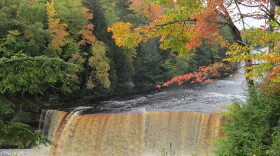 The Environment Michigan Research & Policy Center gathered data over a two year period starting in 2022. One official said the findings are just the tip of the iceberg when it comes to PFAS contamination in Michigan waterways.
-
 They require reporting on how much water and energy the data centers would use and where they can be built, among other provisions.
-
 The Department of Natural Resources is now estimating the size of the Ridge Fire in Negaunee Township at approximately 256 acres. A third house near the fire has been evacuated. Officials urge residents near the fire to be ready to evacuate, if needed.

© 2026 Central Michigan University
Connecting Michigan... one story at a time.
Play Live Radio
Next Up:
0:00
0:00
Available On Air Stations


