-
 The Environment Michigan Research & Policy Center gathered data over a two year period starting in 2022. One official said the findings are just the tip of the iceberg when it comes to PFAS contamination in Michigan waterways.
 -
 U.S. Sen. Gary Peters, D-Bloomfied Township, introduced legislation to accelerate PFAS cleanup at Michigan military installments.
 -
 U.S. Sen. Gary Peters, D-Bloomfield Township, helped a PFAS-contaminated fire station receive $1 million to clean the dangerous chemicals in February.
 -
 Local activists and residents are growing impatient as the U.S. military delays clean up at PFAs contamination sites in Oscoda and Grayling. Plus, a new proposal from the EPA aims to rollback regulations on the forever chemical.
 -
 The researchers found a decline in PFAS levels in top predator fish species, lake trout and walleye, suggesting lower levels of long-lasting contaminants in the resources these fish consume.
 -
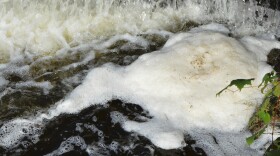 A study in the Journal of Great Lakes Research used preserved whole lake trout and walleye samples to measure the accumulation of so-called "forever chemicals" in fish from 1975 to 2020.
 -
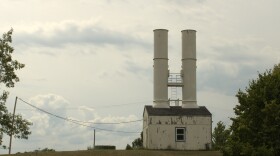 The bill would require the Environmental Protection Agency to classify certain PFAS as hazardous air pollutants under the Clean Air Act.
 -
 Investigators in Michigan and elsewhere find low-level contamination of “forever chemicals” virtually everywhere, but the state says it can’t always afford to figure out exactly how the chemicals get into the environment.
 -
 In June, MSP investigated allegations that Cadillac's Local Development Finance Authority violated Michigan's Open Meeting Act by conducting business without the minimum number of members required, ignoring bylaws, and withholding meeting minutes and records.
 -
 Michigan health officials have updated their guidelines on toxic "forever chemicals" in fish, tripling the number of lakes and rivers, where anglers are advised to not eat their catch.

© 2026 Central Michigan University
Connecting Michigan... one story at a time.
Play Live Radio
Next Up:
0:00
0:00
Available On Air Stations


