-
 The Natural Resources Conservation Service lost nearly a quarter of its staff nationwide in 2025 after the Trump administration’s cuts to the federal government. Many were local experts that help farmers with soil and water conservation efforts.
 -
 Beginning in November, SNAP retailers across the U.S. will be required to stock more healthy foods. But experts say the change will ultimately leave federal food aid users with fewer options — especially in rural areas.
 -
 Farmers are feeling the affects of rising input costs caused by the war in Iran. Here's what they're doing to conserve resources.
 -
 The U.S. Department of Agriculture is proposing moving the Maize Genetics Cooperation Stock Center and the National Soybean Germplasm Collection from the University of Illinois Urbana-Champaign campus, where they've both been housed for decades.
 -
 Farm organizations were in different stages of a grant process when the U.S. Department of Agriculture cut dozens of projects to help underserved farmers access land and capital. Agriculture leaders say the termination deals a blow to future farmers.
 -
 Severe weather is happening more frequently as the climate changes, adding to an ever-growing list of challenges for U.S. farmers. From sudden temperature swings to floods, these events can have serious consequences for farms and ranches.
 -
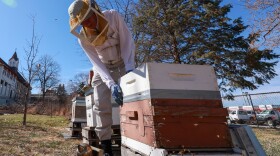 When beekeepers saw widespread honeybee die-offs last year, researchers at the USDA Beltsville Agricultural Research Center stepped in to help. The Trump administration now plans to close the facility, sparking concern among beekeepers and scientists.
 -
 Refugees and other immigrants are no longer eligible for the Supplemental Nutrition Assistance Program, as states implement a federal rule change. The restriction is one of many moves that has made it harder for immigrants to access federal benefits.
 -
 The Trump administration's federal workforce cuts shrunk U.S. Department of Agriculture agencies that inspect produce, provide conservation resources and collect data on crops and livestock. It's creating longer wait times for farmers seeking federal services and programs, people working in agriculture say.
 -
 Data from the U.S. Department of Agriculture puts Michigan’s farm real estate value at about $6,800 per acre in 2025, a 7.8% increase from 2024. It was the highest increase in the country.

© 2026 Central Michigan University
Connecting Michigan... one story at a time.
Play Live Radio
Next Up:
0:00
0:00
Available On Air Stations


