
-
 Schools in the U.S. serve almost 30 million lunches every day. But rising food costs, regulations and cuts to food assistance mean school kitchens have to do more with less.
 -
 Sargento has developed a natural American cheese, hoping to give consumers classic melt without added ingredients.
 -
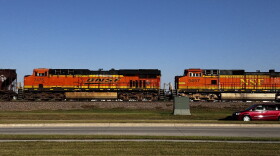 Harvest season is nearing for many farmers. But the railroads that transport their harvested grain have raised their shipping costs with record-high diesel prices. That could mean lower grain prices for growers.
 -
 Conflicts in Iran and Russia are causing diesel prices to spike globally. That’s especially hurting U.S. farmers as they head into harvest season, the most fuel intensive period of the agricultural year.
 -
 Warmer-than-normal-temperatures in the Pacific Ocean are driving what could be the strongest El Niño on record. Here’s how that’s likely to impact weather across the central U.S this year.
 -
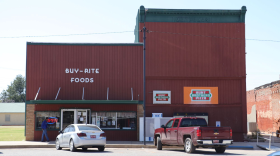 More than 5 million people are no longer getting food aid in the wake of a slew of cuts and changes to the Supplemental Nutrition Assistance Program. As changes to the program continue to unfold, rural Americans face unique problems.
 -
 A decade ago, a federal task force announced a plan to help monarch butterflies along their great migration. The six-state effort along Interstate 35 didn’t take off as expected, but some roadsides are blooming anyway.
 -
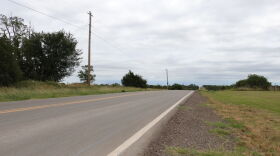 State officials can’t spend billions in federal funding to connect remote areas to the internet until the Trump administration provides information on how to use the money. Broadband offices are hopeful guidance is on the way – but when remains unclear.
 -
 The Natural Resources Conservation Service lost nearly a quarter of its staff nationwide in 2025 after the Trump administration’s cuts to the federal government. Many were local experts that help farmers with soil and water conservation efforts.
 -
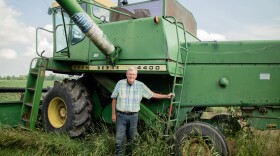 More farmers are opting to repair old tractors, combines and other machinery instead of buying new upgrades. A tough farm economy and historically-high equipment prices are at least partly to blame.

© 2026 Central Michigan University
Connecting Michigan... one story at a time.
Play Live Radio
Next Up:
0:00
0:00
Available On Air Stations


