
Editor's note: This story was produced for the ear and designed to be heard. If you're able, WCMU encourages you to listen to the audio version of this story by clicking the LISTEN button above. This transcript was edited for clarity and length.
Ava Harmon: This Halloween you are bound to see a few people dressed as Rosie the Riveter. But the name goes beyond a costume or World War Two propaganda. Rosies were real women serving their country in the 1940's and some are even living today.
WCMU's Tina Sawyer recently sat down with WCMU's multi-media producer Jamie Mankiewicz who spoke with three real-life Rosies for an episode of Destination Michigan.
Mankiewicz starts by explaining how she met Rosies.
Jamie Mankiewicz: So I had spoken with this Rosie organization, made a contact there, lovely woman named Jeanette, and she helped me find Rosies that she knew would be characters to talk to on camera. And each of them were amazing in their own ways, obviously, but each is over 100 years old. And it was like, all right, we're gonna track these ladies down and chat with them.
Tina Sawyer: How many are there?
JM: In this story, we spoke with three.
TS: And where are they from? Mid Michigan area or?
JM: Yep, we have Agnes who is from Carson City, Vera is in Bay City, and Betty is currently in Saginaw.
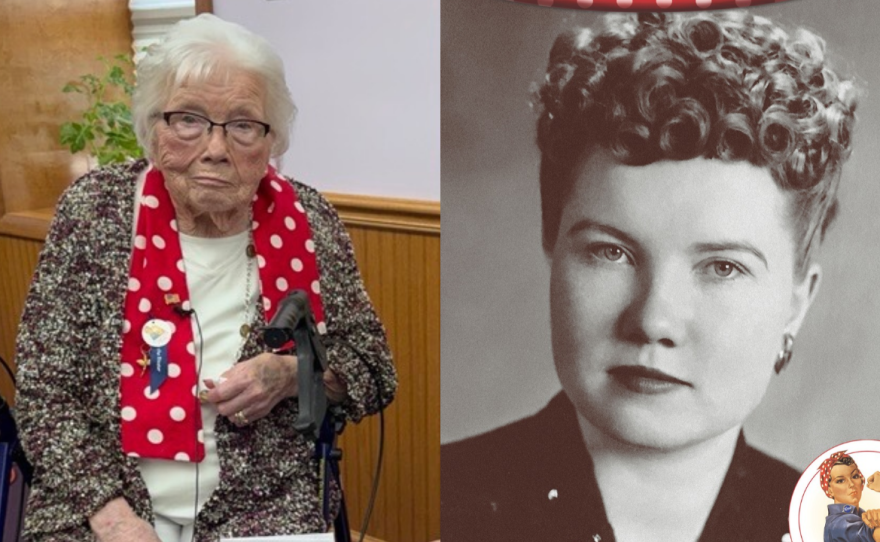
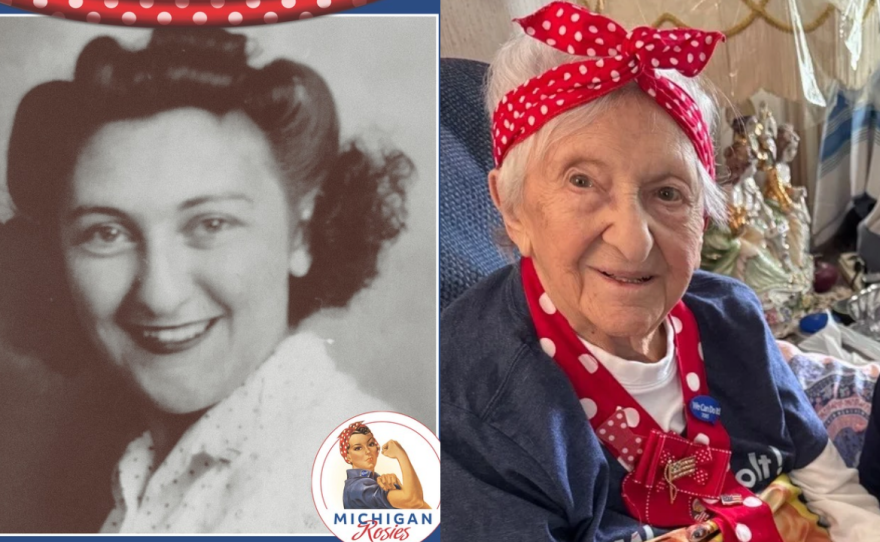
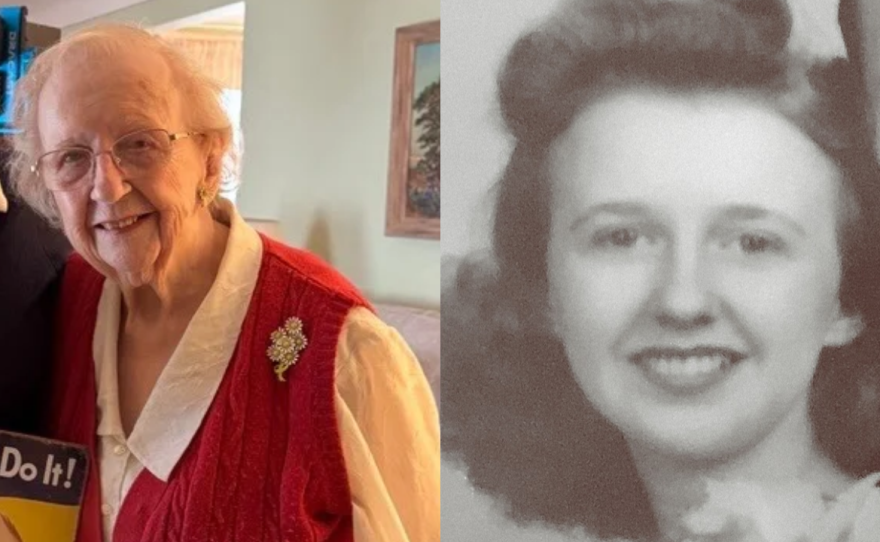
TS: Well, I'm sure you've heard some incredible stories from these ladies, but can you like share with us and everyone else can kind of go watch the rest of the episode to see the other ones, but could you share maybe one of them?
JM: Sure. Let's talk about Betty. Betty is 103. When we got to her house, I kind of expected, she's 103. I figured maybe she would have like a relative there that was kind of helping her in her day-to-day. And we pull in and I knock on the door. She comes right to the door, welcomes us in, and she is just like a ball of energy and amazing.
Like, so we spoke with her and she talked about her time. She started with Detroit Bell Telephone as an operator when she was a teenager. She met her husband when they were in high school and they ended up actually leaving Michigan and going to Texas. Her husband was in charge of this, essentially a POW camp. So, there were German and Russian prisoners of war, thousands of them. So there were a lot of very young prisoners of war and the way that her husband, Bob, approach it was that if he showed them respect, he said they would show us respect. So he at one point found out that taken some things that they weren't supposed to have and turned them into like paint brushes and they were doing these incredible paintings like on the backs of cots.

So he sent Betty into town to get art supplies. So they fixed her up a sewing machine and surprised her with it because they, it was, it was like a reciprocal. You showed me kindness, I'm gonna show you kindness. So they brought her the sewing machine along with, during the war, they had the flour sacks that could double as fabric. So she was making things for their families and they were sending things home to their families. So she ended up later in life, a woman had contacted her and said, I found this. It fell off the shelf. I knew my dad was in, or my grandpa or someone like that was in the United States. And it was like a little, like a baby onesie. And it said like, made in Camp Swift. And anyway, they connected with her and it ended up being, he had been a prisoner there and they had kept this little baby onesie that she had made. You know, along with doing that, she was a phone operator. So even though she wasn't in a factory or your typical Rosie the Riveter, she is considered a real Rosie because it was, anybody that had any job in a factory, a community role, just keeping the country running during World War II. So yeah, she just, I could have talked to her for days.
TS: Yeah. And so the energy when you first went in was pretty high with her.
JM: Yeah, she was fantastic. It was such an honor to talk to her. It's not just that Rosie on the poster. It's women of all different kinds of backgrounds that did what they needed to do.
TS: So what do you think is the biggest lesson today's generation of women could learn from what you've gathered in your reporting?
JM: Oh man, wow. Women of every generation, when we need to step up, we do. And they did it then and they're so strong and so humble and amazing about what they did. There's a reason that Rosie is flexing her arm in that poster and she's a tough cookie and they were very tough cookies. I'm just, I feel so lucky that I got to meet them.
AH: That was WCMU multi-media producer Jamie Mankiewicz speaking with Tina Sawyer. You can watch her story on Rosie the Riveter at WCMU.org.


